





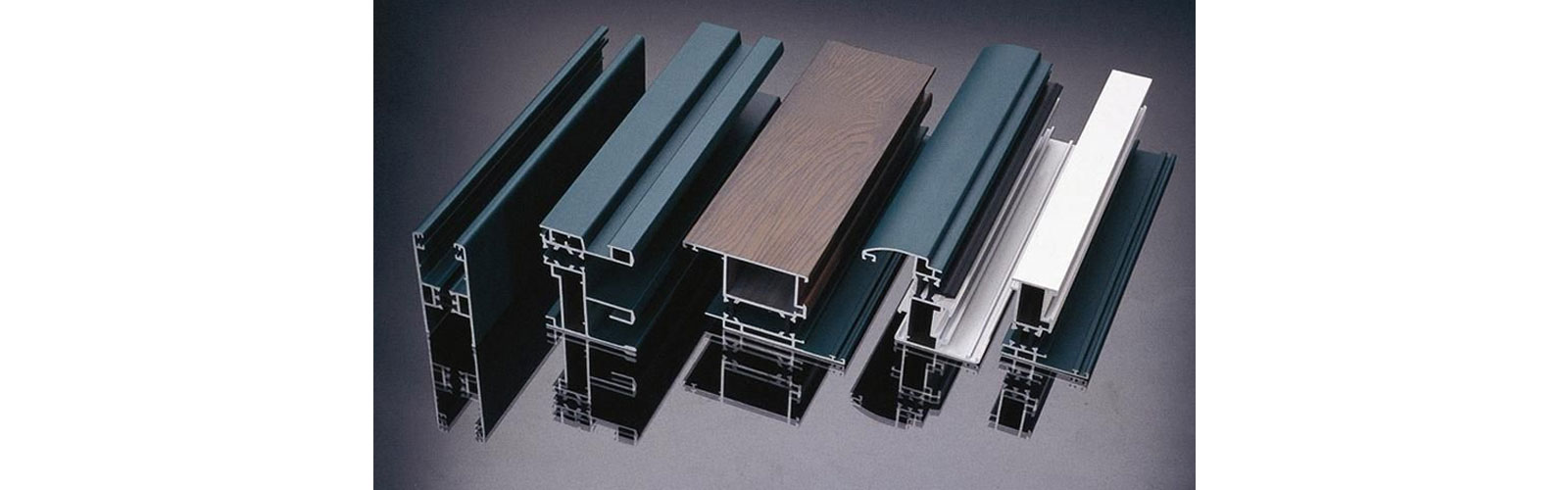
The initial characteristics of aluminum can be improved and enhanced through some popular types of processing. The applied coating on aluminum is intended to enhance its resistance to the onset of corrosion marks and mechanical impacts. Although each technology has its unique properties, it is essential to always base decisions on the goals of using the future component. The finished product, after undergoing the procedures, acquires an attractive appearance and a longer active lifespan.
The protection of aluminum must be a key stage in production, although the processing technology can also be applied later by the owner of the finished product.
Anodizing aluminum
The essence of the method is to change the chemistry of the surface of the aluminum product. Anodizing goes through the following stages:
- Preliminary cleaning of oils and other unnecessary impurities in an aqueous solution.
- The etching process, gives the surface a distinctive bright hue.
- Anodizing involves immersing the product in a tank with electrolytes, and then current begins to pass through the part. The result of the chemical reaction is the formation of a layer of aluminum oxide on the surface of the product.
Such a protective coating enhances anti-corrosion properties, but it also provides a decorative finish. The desired color is applied either through integral coating directly in the bath or through electrolytic coloring — the dye penetrates the pores created in the first stage.
Powder coating of aluminum
This method is often encountered in the automotive industry when it is necessary to repaint body elements; it is also frequently used for coloring furniture. Powder coating requires ideal sterile conditions in the workshop for the procedure, as well as a powerful oven for heating. The essence of the method is to create electrostatic spraying, where powder particles automatically adhere to the working surface due to the difference in charges. Next, the thermosetting coatings are heated to melt and solidify the polymer layer.
Electrostatic spraying is in demand for particularly complex structures that are difficult to paint with liquid enamels. Powder coating technology allows for the reuse of paint that does not adhere to the surface, saving costs.
Electrophoretic coating (EPC)
Another broad method of applying a protective coating to aluminum products. A durable anodic coating is obtained through the following stages:
- Immersion of an aluminum product in a paint container and positioning of two electrodes between them.
- The anode is connected to the tank, while the cathode is connected to the product.
Paint particles are evenly deposited on the surface after the current is applied.
Electrophoresis depends on the quality of the chosen paint, where important characteristics include adhesion and electrical conductivity. A properly executed cataphoresis will allow the use of the painted part in construction or industrial purposes, where appearance matters. There are no characteristic defects such as orange peel or craters here. The paint is used very economically and almost does not pollute the environment.
Paint coatings for aluminum
Determining which paint coating is suitable for a specific product can be done by analyzing the alloy grade. It also matters what method of oxidation was used and under what conditions the product will be located. If reliable moisture protection is needed, it is appropriate to choose coatings made from primers with passive elements. The paints with zinc or strontium chromate perform well. It is not recommended to increase the number of layers of paint in the hope that it will create complete insulation of the material.
Improving adhesion is achieved solely through proper preliminary preparation in the form of chemical or electrochemical oxidation. After the procedures are carried out, UV stabilization is achieved, allowing the product to remain outdoors for years.
Galvanic and chemical coating methods
If an aluminum part needs to be protected from corrosion, safeguarded against thread seizing, and made suitable for soldering, galvanization comes to the rescue. In the chemical galvanization method, the coating only reaches the areas in contact with the solution. Electrolytic treatment is a bit more complex than chemical treatment and requires precision in the levels of bath depth. The procedure itself, after cleaning, involves sequential etching in special solutions, zincing treatment, further etching in a solution without nitric acid, and again zincing treatment. The cycle of alkaline copper plating, acid copper plating, nickel plating, and chrome plating is coming to an end.
The chemical coating of aluminum through phosphating involves the partial dissolution of a certain layer of the base material and the deposition of phosphates. The coating is also required for protection against rust and to improve wear resistance. The most common method of applying a phosphate coating is accelerated. The duration of such phosphating is from 8 to 15 minutes. The processing is being carried out by "Majeff." It is heated to 45-65 °C. Oxidizers are added to the solution. The phosphate layer is quite thin and is perfect for future coloring.
Chromating aluminum is done as follows:
- Machining.
- Hydro-abrasive blasting.
- Degreasing with chemicals.
- Etching.
- Lighting.
- Activation.
The result will be an improvement in the heat resistance of the finished product and the provision of anti-friction properties.
Innovative aluminum coating technologies
Large manufacturers are increasingly using innovative technologies. The desire to apply a PVD coating implies the evaporation of solid material in a vacuum chamber. From the evaporation, plasma is produced, which is directed onto a substrate made of glass, metal, or semiconductor material, where the ions and particles of the plasma condense and form a thin film. CVD coating is applied through a process where gas is introduced into a vacuum chamber containing a substrate. Gas or vapor reacts with the substrate, forming a solid thin film. The difference is that PVD involves the evaporation of a solid material and its condensation onto a substrate, while CVD creates a reaction of gas or vapor with the substrate, resulting in the formation of a solid thin film. The second option is considered technically more complex.
Problems and solutions in aluminum coating technologies
Aluminum does not always require conditions to enhance adhesion or protect against corrosion, as an oxide film naturally forms on its surface upon contact with the atmosphere. However, the coverage issues become more pronounced when it comes to components in sensitive electronics, complex-shaped structures, and products in aggressive environments. In this process, the preliminary elimination of defects always comes first, as it is beneficial before any future coating technology.
Conclusion: Choosing the Optimal Coating Technology
The choice of coating technology for aluminum is determined by the set of properties one wishes to achieve. It is resistant to aggressive environments, to the appearance and spread of rust, the creation of an aesthetically pleasing appearance, and additional strength. The selection criteria also take into account the availability of a particular technology.

